
EDUCATION · LABORATORY RECORDS
Batch Traceability: Connecting a Label, a Lab Report and a Research Record
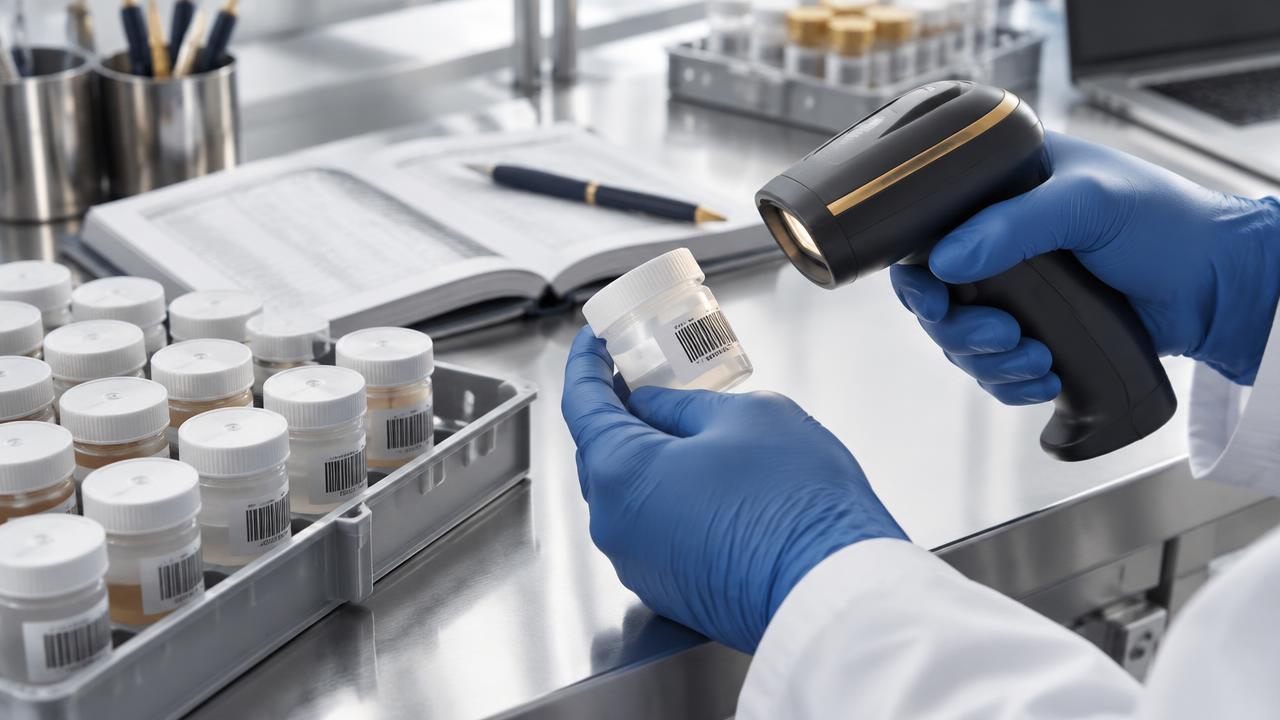
Batch traceability means being able to follow identified material through connected records. In a laboratory, that connection can run from a container label to a receiving entry, an analytical report and the notes for the work in which the material was used.
It is a documentation habit, not a promise that all material is identical or that every quality question has been answered.
Product codes and lot identifiers do different jobs
A product code usually identifies what kind of item it is. A batch or lot identifier distinguishes a particular group of material. The same product may arrive in different lots, so copying only the product name into a notebook leaves an important gap.
A laboratory may also assign its own sample identifier. Keep that identifier alongside the original lot number and retain the record connecting them. Do not rename a sample in a way that loses its original identity.
Build a simple receiving record
The following is a suggested research record, not a prescribed compliance form. Adapt it to the laboratory’s procedures:
- Material: name, product code if available, supplier and original manufacturer where documented.
- Identifiers: manufacturer’s lot number, container identifier and any laboratory sample number.
- Receipt: date, person recording receipt, quantity received and observed condition.
- Documents: receiving or shipment reference, COA identifier and saved original report.
- Storage: recorded location, applicable storage instructions and relevant handling events.
- Dates: stated retest or expiry date where available; leave unknown information clearly marked.
ICH Q7 section 17.20 lists traceability documents for distributed active pharmaceutical ingredients and intermediates, including manufacturer identity, purchase and receipt records, batch numbers, transportation records and authentic certificates. Those connections explain why a batch number alone is not a complete history.
Carry identifiers forward when material is divided
If a laboratory transfers material into a new container or creates aliquots, a useful practice is to assign each new container a local identifier and record its parent container and lot. Record the transfer date and person responsible so later notes can be traced backward.
For illustration only, local container “L-002-A” might refer to an aliquot from receiving record “L-002.” These are fictional identifiers, not First Labs batch numbers. Their value comes from the documented connection, not the naming format.
Preserve changes rather than hiding them
Keep original documents and make corrections understandable. If a supplier sends a revised report, retain the revision identifier and note which document replaced the earlier one. If a label and report disagree, record the discrepancy and seek clarification before treating them as a matched pair.
What traceability does not prove
Connected records help a reviewer reconstruct which material was involved. They do not establish sterility, clinical safety or regulatory approval. They also do not show that every container was tested or that later handling could not change a sample.
The next practical step is to compare your receiving record with the certificate checklist. When the identifiers match, review what the analytical results actually measure.
Source and scope
ICH Q7: Good Manufacturing Practice Guide for Active Pharmaceutical Ingredients, sections 11.4 and 17.2. The source applies to a regulated manufacturing context; this article borrows general record-keeping principles without asserting GMP or GLP compliance. It is educational, not medical or legal advice.
CONTINUE READING
October 23, 2026
Are Peptides Legal in Canada? What Research Use Actually Means
Health Canada regulates injectable peptides as prescription drugs. Here is what that means for research materials, and what a research-use label does not change.
October 23, 2026
Research Peptide Lab Safety: Handling, PPE and Disposal in Canada
Research peptides belong in a laboratory workflow: PPE, ventilation, documented handling and proper disposal. A practical safety overview for Canadian labs.